
When Stress Starts Taking Over
Stress is part of being human. In the short term, it can help you respond to pressure, meet deadlines, or navigate difficult situations. But when stress becomes constant, it can affect how you think, feel, sleep, work, and relate to other people.
For many busy professionals dealing with stress, you might appear cool and calm on the outside. But underneath, you feel tense, exhausted, irritable, or mentally overloaded. The pressure can wear down your ability to cope.
At Radcliffe Psychotherapy Clinic, we offer stress management therapy at our Toronto office or online for people who feel overwhelmed, stretched too thin, or stuck in a cycle of chronic stress. Our approach is practical, evidence-based, and takes all aspects of your life into consideration, so your sessions support the pressures you’re actually dealing with day to day.
Common Signs of High Stress
Stress can build around a specific pressure, like a demanding project, a difficult relationship, or a major life transition. It can also develop more gradually, with small pressures accumulating until everyday life starts to feel overwhelming.
You may recognize yourself in some of these common signs of high stress:
Constant Feelings of Overwhelm
Even routine tasks can feel like too much when your mind and body stay in a heightened state of pressure.
Difficulty Relaxing or Switching Off
Your thoughts may continue racing long after work or responsibilities have ended, making it hard to rest.
Irritability or Emotional Reactivity
Stress can lower your tolerance for frustration, making you feel more impatient or easily triggered.
Trouble Concentrating or Mental Fog
When your nervous system is under strain, focus, decision-making, and memory may feel challenging.
Withdrawing from People or Activities
When energy is low, it may feel easier to pull back from social interactions or things you usually enjoy.
Sleep Disturbances or Fatigue:
Stress can interfere with falling asleep, staying asleep, or waking up feeling rested.
Physical Tension or Headaches
Many people notice stress in their bodies through muscle tightness, headaches, jaw tension, or general fatigue.
Persistent Worry
Your mind may feel stuck in overthinking, replaying conversations, or anticipating problems.
Emotional Exhaustion
Prolonged stress can leave you feeling drained, even after taking breaks or time off.
Burnout or a Sense of Depletion
Sustained stress can lead to feeling mentally and emotionally worn down.
Our Approach to Stress Management Therapy
Stress should not be considered a personal failure or a sign that you are not coping well enough. In fact, it often makes sense in context. High demands, long work hours, caregiving responsibilities, life transitions, perfectionism, and ongoing uncertainty can all place pressure on your nervous system. Therapy helps you understand what’s driving your stress so you can build tools that feel realistic, useful, and sustainable.
How We Help

Cognitive Behavioural Therapy (CBT)
CBT works to identify thought patterns that contribute to stress, worry, and overwhelm while developing more supportive ways of responding to pressure.

Acceptance and Commitment Therapy (ACT)
ACT helps you notice stressful thoughts without getting pulled into them, while building the ability to respond in ways that align with your values, priorities, and long-term goals.

Mindfulness-Based Stress Strategies
Mindfulness practices increase awareness of stress responses and create more space between stressful thoughts and automatic reactions.

Nervous System Regulation Skills
Learning how stress affects your nervous system can help you recognize activation earlier and develop tools that support calm and stability.

Emotional Regulation Skills
Therapy can help you understand intense emotional reactions and build skills to respond more intentionally in challenging moments.

Boundary Setting and Work-Life Balance
Many people benefit from learning strategies for managing workload, expectations, and personal boundaries.

Stress Recovery and Burnout Prevention
Stress therapy often includes building routines and habits that support recovery, rest, and sustainable performance.

Developing Sustainable Coping Strategies
The goal is not simply reducing stress in the short term, but developing strategies that help you manage pressure in the future.
Why Clients Choose Us
Therapists Experienced in Stress and Burnout: Our clinicians use evidence-based approaches to help people manage ongoing stress, workplace pressure, and emotional overwhelm.
Practical Skills You Can Use in Daily Life: Therapy focuses on strategies that translate directly into real-world situations, including work, relationships, and personal responsibilities.
A Supportive, Non-Judgmental Environment: We provide a space where you can talk openly about what’s happening without pressure or criticism.
Structured Yet Flexible Therapy: Sessions bring clinical structure while adapting to your specific needs, goals, and life circumstances.
In-Person and Virtual Therapy in Toronto: We offer in-person therapy at our Toronto clinic and secure virtual sessions for clients across Ontario.
What to Expect in Stress Management Therapy
Therapy for stress doesn’t mean forcing yourself to become endlessly productive or calm all the time, but rather, understanding your patterns, building better support systems, and developing ways of responding that feel healthier and more manageable.
Here’s what the process often looks like:
Initial Consultation
We begin by understanding what has been feeling overwhelming, how stress is affecting your daily life, and what kind of support would feel most useful right now.
Whole-Person Understanding
We look at the bigger picture, including work demands, relationships, health, past experiences, and the expectations you may be carrying.
Skill-Building Sessions
Together, we develop practical strategies to help you manage stress sustainably. That may include coping tools, emotional regulation skills, mindfulness, or boundary-setting.
Real-Life Application
We focus on changes that feel realistic in the context of your schedule, energy, and responsibilities.
Ongoing Support
As your circumstances shift, therapy can help you adjust your strategies, maintain progress, and better respond to new stressors.
Who Stress Management Therapy Is for
Stress management therapy can be helpful in many situations, whether you’re feeling consistently overwhelmed or simply noticing that stress is becoming harder to manage.
Stress therapy may be a good fit for:
-
Professionals experiencing burnout or chronic workplace stress
-
People managing pressure in high-responsibility roles
-
Parents and caregivers balancing multiple demands
-
Students or graduate students under academic pressure
-
People going through life transitions
-
Those feeling mentally exhausted, emotionally stretched, or constantly on edge
-
People whose stress is starting to affect relationships, sleep, or physical health
-
Anyone who wants more effective ways to cope with ongoing pressure
Common Concerns Linked to Stress
Stress can overlap with many other concerns. Sometimes people come to therapy thinking the problem is only work pressure or poor time management, then realize stress has been affecting multiple areas of their life.
Common concerns linked to chronic stress include:

Anxiety and Persistent Worry
Stress can keep your mind scanning for problems, making it difficult to feel calm or settled.

Burnout
When stress continues for long periods without recovery, it can lead to emotional depletion, reduced motivation, and difficulty sustaining work or daily responsibilities.

Sleep Disruption
Ongoing stress can interfere with sleep patterns, leaving you waking frequently or feeling unrested.

Loss of Enjoyment
Activities that once felt energizing or rewarding may start to feel like obligations.
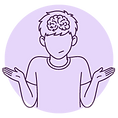
Decision Fatigue
When your mind is constantly managing pressure, even simple decisions can feel exhausting.

Emotional Numbness or Detachment
Some people respond to chronic pressure by feeling emotionally flat or disconnected from what is happening around them.
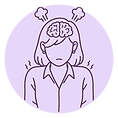
Stress-Related Physical Symptoms
Chronic stress can sometimes contribute to physical reactions such as muscle

Heightened Sensitivity to Pressure
Situations that previously felt manageable may begin to feel overwhelming.

Relationship Strain
High stress can affect communication, patience, and emotional availability in relationships.

Workplace Performance Pressure
Stress related to deadlines, workload, leadership roles, or job uncertainty can create ongoing tension that affects both work and personal life.

Difficulty Staying Present
You may notice your attention drawn to future concerns or past situations rather than to the moment you’re in.

Feeling Mentally Stretched or Overloaded
Sustained pressure can leave little room for recovery, creativity, or reflection.
Stress Management Resources
If you are looking for more support between sessions or while considering therapy, we recommend starting here.


Frequently Asked Questions About Our Stress Management Therapy
How does stress management therapy work?
Stress management therapy helps you understand the patterns contributing to feelings of overwhelm while building practical tools to cope in a healthier way. Depending on your needs, stress therapy may focus on thought patterns, emotional regulation, nervous system responses, boundaries, or lifestyle adjustments.
How long does stress therapy take?
This depends on what is contributing to your stress, what goals you have, and how long these patterns have been affecting you. Some people come for short-term support around a specific stressor, while others use therapy to work on longer-standing patterns.
Is stress management covered by insurance?
Many extended health benefit plans cover psychotherapy services, but coverage varies by provider and plan. We recommend checking your individual benefits to confirm what is included.
Do you offer stress counselling in Toronto and virtual therapy?
Yes, we offer in-person sessions at our Toronto clinic and secure virtual therapy across Ontario.
Can therapy help with burnout?
Therapy can help you recognize signs of burnout, understand what is contributing to it, and develop strategies that support recovery and sustainability. That may include changes in coping mechanisms, routines, expectations, and how you respond to pressure.
What kinds of techniques are used in therapy for stress?
Your therapist will implement evidence-based approaches such as Cognitive Behavioural Therapy (CBT), Acceptance and Commitment Therapy (ACT), mindfulness-based strategies, emotional regulation tools, and practical stress reduction techniques. The approach is customized depending on your needs and goals.
When should I seek help for stress?
It may be time to reach out when stress feels constant, starts affecting your sleep, mood, focus, relationships, or work, or leaves you feeling like you cannot fully recover between demands.
Find A Registered Therapist Who Specializes In Stress Management Therapy

.png)


Not Sure Where To Start?
Our intake coordinator is here to help. They can answer your questions, guide you through our 15-minute consultation, and help you find the therapist that’s the right fit for you.
Denise Sacramento

Hello, I'm Denise.
I can help guide you through our stress management therapy process and find the right therapist for your needs.
Where to Find Us
Radcliffe Psychotherapy Clinic
Address: 3910 Bathurst Street, Suite 300 (Palm Medical) Toronto, ON M3H 5Z3
Email: admin@angerandanxiety.com
Phone: +1 (289) 801-4133
Prefer to Send a Message Instead?
Submit the contact form below, and we'll get back to you within 1 business day!