
Therapy for Trauma Recovery
Trauma doesn’t stay in the past. It can live in your body, your thoughts, and the way you experience the world around you. Trauma can cause you to feel on edge without knowing why, disconnected from yourself or others, or pulled back into memories you’d rather not revisit. Sometimes your reactions feel confusing, even to you. And even though the experience is over, its impact can still feel very present.
Trauma responses often develop as your mind and body’s way of trying to cope with something that felt overwhelming, distressing, or unsafe. Even if those responses don’t feel helpful now, they developed for a reason. Therapy can help you make sense of them, so you can begin to process what happened and start finding your way back to a sense of safety and stability.
At Radcliffe Psychotherapy Clinic, we support those who are navigating the effects of trauma, whether it’s a recent event or something you’ve carried for a long time. We offer in-person sessions in Toronto and secure virtual therapy across Ontario, with a trauma-informed approach that prioritizes safety, care, and moving at a pace that feels right for you.
Understanding Trauma
Trauma doesn’t always have a clear starting point. For some people, it’s linked to a specific experience. For others, it’s more of a slow shift: feeling more anxious and disconnected, or struggling in ways that are hard to explain.
You may recognize yourself in some of these common effects of trauma:

Intrusive Memories or Flashbacks
You may feel overwhelmed by distressing memories, images, or sensations that are difficult to control.

Anxiety, Panic, or Hypervigilance
Your nervous system may stay on high alert, making it hard to relax, feel safe, or stop anticipating danger.
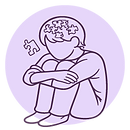
Emotional Numbness or Disconnection
Some people cope by distancing from their emotions, relationships, or even from themselves.

Depression or Hopelessness
Trauma can leave you feeling exhausted, disconnected, and unsure whether things can improve.

Persistent Negative Beliefs about Yourself
Trauma can shape how you see yourself, sometimes leading to guilt, self-blame, or a deeply critical inner voice.

Difficulty Trusting Others
Trauma can affect your sense of safety in relationships, making vulnerability, closeness, or dependence feel risky.

Sleep Disturbances or Nightmares
Rest may feel difficult when your body and mind remain activated, unsettled, or easily startled.

Avoidance of Certain People, Places, or Situations
You may notice yourself avoiding reminders of what happened, even when those reminders interfere with daily life.

Emotional Regulation Challenges
Strong emotions may come on quickly, feel difficult to manage, or leave you feeling ashamed or out of control.

A Fragmented Sense of Self
You may feel like different parts of you are in conflict, or like it’s hard to feel fully present in your life.
Our Approach to Trauma Therapy
Our trauma-informed approach means we don’t believe in “pushing” through pain. Your therapist will focus on building a foundation of safety first, so that when you do revisit difficult memories, you have the tools to stay grounded.
At Radcliffe Psychotherapy Clinic, we start by understanding how trauma is affecting you in the present. From there, we move forward together, using approaches that align with your needs, your goals, and your readiness.
How We Help
Trauma-Informed Cognitive Behavioural Therapy (CBT)
CBT can help identify how trauma has shaped your thoughts, beliefs, and behavioural patterns, while focusing on creating healthier ways of responding.
Internal Family Systems (IFS) Therapy
IFS can support people in understanding different emotional parts of themselves with more compassion, especially when trauma has created inner conflict, shame, or self-protection patterns.
EMDR and Trauma-Processing Approaches
When appropriate, EMDR and other trauma-focused interventions can help you process distressing memories in a supported and structured way.
Acceptance and Commitment Therapy (ACT)
ACT can help you respond differently to painful thoughts and emotions while reconnecting with your values.
Grounding and Stabilization Strategies
Trauma therapy often starts with practicing tools to help you feel safer in your body, more present, and better able to manage distress.
Nervous System Regulation Skills
Through nervous system regulation skills, you can learn ways to recognize activation earlier, understand your stress responses, and build a greater sense of safety.
Gradual Processing at Your Pace
There is no expectation to move faster than your system can tolerate. Trauma therapy is paced carefully, with added attention paid to readiness and overwhelm.
Building Safety, Trust, and Resilience
The goal is not only to reduce symptoms, but also to strengthen your sense of self, emotional capacity, and ability to move through life with more steadiness.
Why Clients Choose Us

Therapists Trained in Trauma-Focused Approaches
Our clinicians use evidence-based, trauma-informed methods suited to each client’s experience and needs.

A Safe, Gradual Process
We focus on helping you feel supported while building a sense of agency. Trauma work is careful, collaborative, and grounded in safety.

Respect for Your Boundaries
You are not expected to disclose everything right away. Therapy honours your process and your ability to decide what feels safe to explore.

Structured Yet Flexible Treatment
We bring clinical structure to trauma therapy while adapting to what you need from session to session.

In-Person and Virtual Trauma Therapy in Toronto
We offer therapy at our Toronto clinic as well as secure online therapy sessions for clients across Ontario.
What to Expect in Trauma Therapy
Trauma therapy takes a slow, gradual approach, focusing on different stages as you move through the process. While each person’s path is individual to them, treatment usually involves helping you feel more stable before moving into deeper trauma processing.
Here’s what trauma therapy typically involves:
Initial consultation: We begin by understanding what is bringing you to therapy, how trauma may be affecting your daily life, and what support would be most helpful for you.
Stabilization and safety: Early sessions focus on building trust with your therapist, learning emotional regulation skills, and creating a sense of internal safety.
Trauma processing, when appropriate: When you feel ready, therapy may involve carefully processing traumatic memories, experiences, or patterns in a supported, evidence-based way.
Integration: As therapy progresses, the work often shifts toward making sense of what you have experienced, strengthening identity, and reinforcing what’s helping.
Ongoing support and maintenance: Therapy can also help you maintain progress, navigate triggers, and continue building resilience over time.
Who Trauma Therapy Is For
Trauma therapy can support many different kinds of experiences. Whatever you’ve been through, your pain is valid — it doesn’t need to fit a certain definition to matter.
Trauma therapy may be helpful for:
-
People who have experienced negative events in the past that still feel present
-
Those dealing with ongoing stress or overwhelming situations
-
People struggling with anxiety, panic, or emotional overwhelm
-
Those who feel stuck or unable to move forward
-
Survivors of abuse, neglect, or other significant life events
-
People whose past experiences are affecting relationships, work, or self-esteem
-
Individuals in high-stress roles, including first responders
-
Those who notice their reactions feel bigger than the moment
-
People living with the lasting effects of childhood experiences
-
Anyone looking for support that feels safe and trauma-informed
Types of Trauma We Support
Trauma isn’t always easy to name, but its effects can show up in many parts of life. We support people through experiences like these.
Acute trauma: Distress related to a single overwhelming event, such as an accident, assault, medical emergency, or sudden loss.
Complex trauma: Trauma shaped by repeated, prolonged, or interpersonal experiences that can affect identity, relationships, and emotional regulation.
Childhood trauma: Early experiences of neglect, criticism, abuse, instability, or emotional injury that continue to affect adult life.
Relationship or interpersonal trauma: Trauma connected to betrayal, emotional abuse, coercion, unsafe relationships, or attachment wounds.
Work-related trauma: Trauma responses related to chronic stress, burnout, workplace bullying, or repeated exposure to distressing situations.
Medical or accident-related trauma: Experiences involving illness, injury, hospitalization, invasive treatment, or recovery from serious health events.
Other Challenges Related to Trauma
Trauma often overlaps with other emotional or psychological concerns. In many cases, people seek therapy for anxiety, panic, or relationship struggles before realizing trauma may be part of the picture.
Common co-occurring concerns often include:
-
Anxiety and panic
-
Depression
-
Flashbacks and intrusive thoughts
-
Sleep disturbances
-
Emotional dysregulation
-
Dissociation or disconnection
-
Shame and self-criticism
-
Relationship difficulties
-
Trust and attachment concerns
-
Chronic stress or burnout
Trauma Resources
If you would like to learn more about trauma and its effects, these resources can be a helpful place to start.


Frequently Asked Questions
What is trauma therapy and how does it work?
Trauma therapy helps you make sense of how overwhelming or distressing experiences are still affecting you. Depending on your needs, trauma therapy may focus on helping you feel more stable, building coping strategies, regulating your nervous system, and, when you’re ready, processing what you’ve been through using evidence-based methods.
How long does trauma therapy take?
This depends on your goals, the type of trauma involved, and how your therapy sessions evolve over time. Some people come for support around a specific issue, while others work through longer-standing patterns over a longer period. Trauma therapy continues as long as it feels helpful and aligned with your needs.
Do you offer EMDR in Toronto?
EMDR may be offered when it is clinically appropriate and aligned with your goals. It is available both in person and virtually.
Do you offer virtual sessions?
Yes, trauma therapy is available both in person at our Toronto clinic and through secure virtual sessions across Ontario.
Do I have to talk about everything right away?
No, trauma therapy should never feel forced. Early sessions often focus on safety, trust, and understanding what support feels manageable for you. You can move at a pace that feels workable.
Is trauma therapy safe if I feel overwhelmed easily?
Yes, a trauma-informed approach takes overwhelm very seriously. Therapy is paced carefully and often begins with grounding, stabilization, and emotional regulation before deeper processing work is introduced.
Can trauma therapy help with anxiety or panic?
Trauma and anxiety often overlap. Therapy can help you understand how trauma responses may be showing up as panic, hypervigilance, avoidance, or persistent fear, and build tools to manage them.
Find A Registered Therapist Who Specializes In
Trauma Processing & Recovery


Where to Find Us
Radcliffe Psychotherapy Clinic
Address: 3910 Bathurst Street, Suite 300 (Palm Medical) Toronto, ON M3H 5Z3
Email: admin@angerandanxiety.com
Phone: +1 (289) 801-4133
Prefer to Send a Message Instead?
Submit the contact form below, and we'll get back to you within 1 business day!